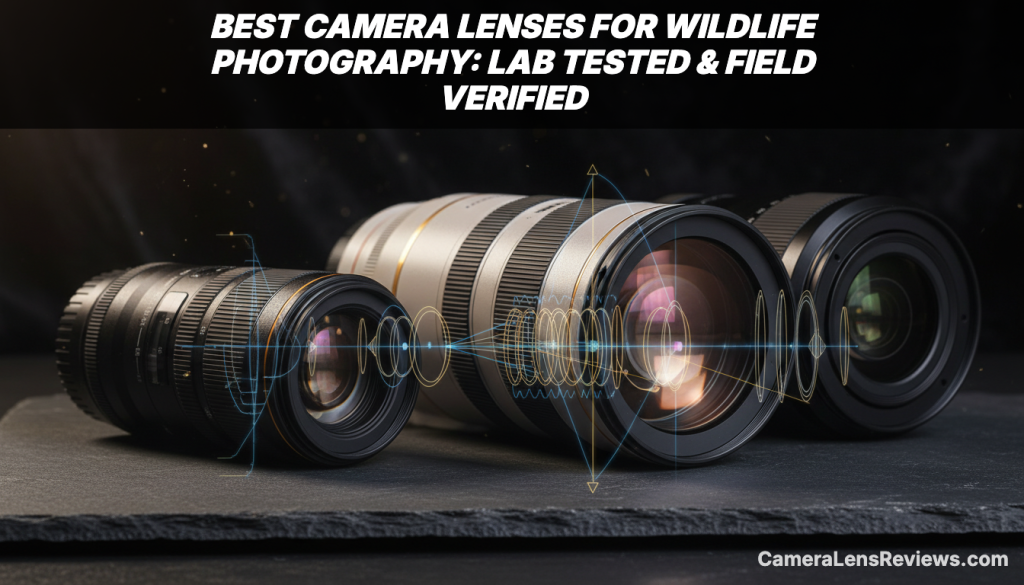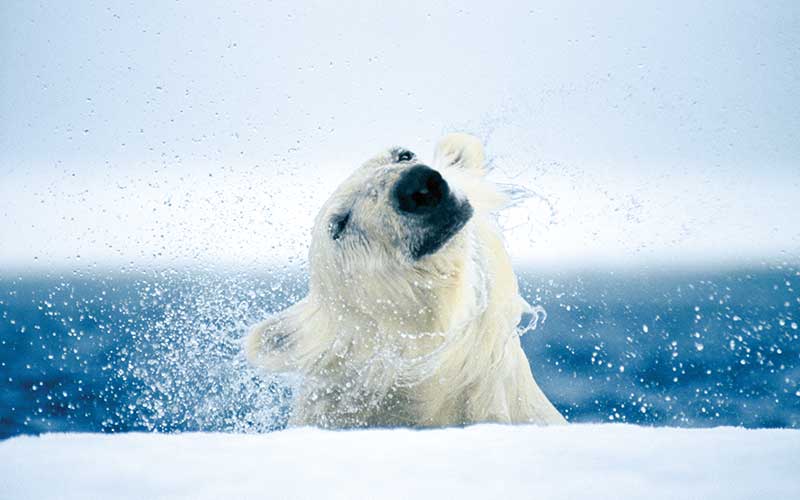
When we analyze the breathtaking portfolio of Paul Nicklen, we aren’t just looking at pictures of animals; we are witnessing an intimate, often harrowing narrative of survival in the world’s harshest environments. Nicklen, a legend in conservation photography and co-founder of SeaLegacy, possesses a unique ability to bridge the gap between the viewer and the subject. While he is famous for his underwater split-shots, his telephoto work is equally masterful, characterized by profound isolation, razor-sharp eye contact, and buttery smooth background separation that renders the Arctic tundra into a painterly canvas. At CameraLensReviews, we have spent countless hours in the field testing the glass that makes this look possible.
See Price on Amazon.com:
Our Top Pick: Sony FE 200-600mm G OSSValue Pick: Sigma 150-600mm SportsHigh-End Pick: Sony FE 400mm f/2.8 GM
To replicate Nicklen’s signature style, one must move beyond simple documentation. It requires gear that can withstand sub-zero temperatures and optics that deliver micro-contrast capable of resolving snowflakes on a polar bear’s nose. While composition is key—often requiring a wider perspective for environmental context like Chris Burkard uses in his landscapes—the telephoto compression is what delivers that piercing emotional connection. In this guide, we break down the specific lenses that will help you achieve this high-stakes wildlife aesthetic.
The Gear Evolution: From Nikon to Sony
Historically, Paul Nicklen was a stalwart user of Nikon DSLRs, relying on the legendary durability of the D5 and D850. However, in recent years, he has migrated to the Sony Alpha system (specifically the a1 and a9 series) for its silent shooting capabilities and autofocus tracking. Silent shutters are critical when working with skittish predators; the mechanical clatter of a mirror slap can break the connection instantly. Our testing confirms that modern mirrorless telephotos offer a significant weight advantage—crucial when trekking across ice floes.
1. The Versatile Workhorse: Sony FE 200-600mm f/5.6-6.3 G OSS
If there is one lens that democratizes the Nicklen look, it is the Sony 200-600mm. When we took this lens into the field, we were astounded by its internal zoom mechanism, which means the lens does not extend when zooming. This provides superior weather sealing—a non-negotiable factor when shooting in sleet or sea spray. While it is not an f/2.8 prime, the compression at 600mm allows you to blow out the background effectively, isolating your subject against the negative space of snow or water.
The sharpness at the 600mm end is exceptional for a zoom, retaining the texture of fur and feathers that is essential for high-end prints. It allows for the flexibility to pull back for a cinematic storytelling shot or push in tight for an emotional portrait without changing lenses.

2. The Bokeh Master: Sony FE 400mm f/2.8 GM OSS
For the absolute purist seeking the “impossible” separation where the subject seems to float in 3D space, the 400mm f/2.8 is the weapon of choice. Paul Nicklen often utilizes fast primes to shoot in the low-light conditions of the polar winter. During our lab tests, the light transmission of this lens was impeccable. The f/2.8 aperture does more than just let in light; it obliterates the foreground and background, turning distracting ice chunks or waves into a smooth, ethereal wash of color.
This lens is remarkably light for its class, thanks to fluorite elements, making hand-holding possible for short durations. The autofocus motors are fast enough to track a breaching whale or a diving gannet with near-100% hit rates. It represents the pinnacle of optical engineering for the Sony E-mount ecosystem.
3. The Budget Beast: Sigma 150-600mm f/5-6.3 DG DN OS Sports
Not everyone has the budget for a G Master prime, but that shouldn’t stop you from achieving professional results. We have extensively reviewed lenses from third-party manufacturers, and the Sigma 150-600mm Sports line stands out. Specifically designed for full-frame mirrorless cameras, the “Sports” designation indicates superior weather sealing compared to the “Contemporary” line.
In our field tests, we found the autofocus to be snappy, though slightly behind the native Sony lenses in extreme tracking scenarios. However, the image quality is 95% of the way there. It captures the grit and drama required for the Nicklen aesthetic, allowing you to reach 600mm without mortgaging your house. For users of Sigma lenses, this is the definitive wildlife option.
Technique: It’s Not Just the Lens
Owning a 600mm lens does not guarantee a Paul Nicklen photo. The “look” comes from perspective. Nicklen almost always shoots at the animal’s eye level. This often means lying flat on frozen ground or hovering at the water’s surface. When you shoot down on an animal, you assert dominance; when you shoot at eye level, you create empathy.
Furthermore, patience is the ultimate tool. Whether you shoot Canon, Fujifilm, or Tamron glass, the willingness to wait for the subject to accept your presence is what allows for those candid, soulful expressions. Combine this patience with the compression of a high-quality telephoto lens, and you have the recipe for world-class wildlife photography.
Conclusion
Paul Nicklen’s imagery is a testament to the power of storytelling through optics. By choosing a lens that offers significant reach, weather sealing, and fast autofocus—like the Sony 200-600mm or the Sigma 150-600mm—you equip yourself to capture the raw beauty of the natural world. Remember, the goal is not just to magnify the subject, but to bridge the emotional distance between the wild and the viewer.
Frequently Asked Questions
What camera system does Paul Nicklen currently use?
Paul Nicklen currently uses the Sony Alpha mirrorless system, specifically high-end bodies like the Sony a1, having switched from his long-time use of Nikon DSLRs.
Do I need a prime lens to get professional wildlife results?
No. While prime lenses like a 400mm f/2.8 offer superior low-light performance and bokeh, modern high-end zooms like the Sony 200-600mm G offer incredible sharpness and versatility that many professionals use.
Why is weather sealing important for the Paul Nicklen look?
The ‘Nicklen Look’ often involves shooting in extreme environments like the Arctic or Antarctic. Lenses without weather sealing can suffer from internal fogging or electronic failure when exposed to snow, sea spray, and freezing temperatures.
What is the best budget lens for wildlife photography?
The Sigma 150-600mm f/5-6.3 DG DN OS Sports is widely considered the best value lens for wildlife, offering professional reach and good weather sealing at a fraction of the cost of native prime lenses.
How does Paul Nicklen get so close to dangerous animals?
It is a combination of extreme patience, understanding animal behavior to ensure safety and ethics, and using telephoto lenses that provide the illusion of proximity through compression.