When we analyze the pantheon of modern fashion photography, few names carry the kinetic energy and glossy perfection of Mario Testino. From his iconic “Toweling Series” to his vibrant covers for Vogue and Vanity Fair, Testino’s aesthetic is defined by sharpness, high contrast, and an intimate, almost intrusive proximity to the subject. Unlike the moody atmosphere found in our guide on how to recreate the documentary style of Steve McCurry, Testino’s work screams glamour and immediacy.
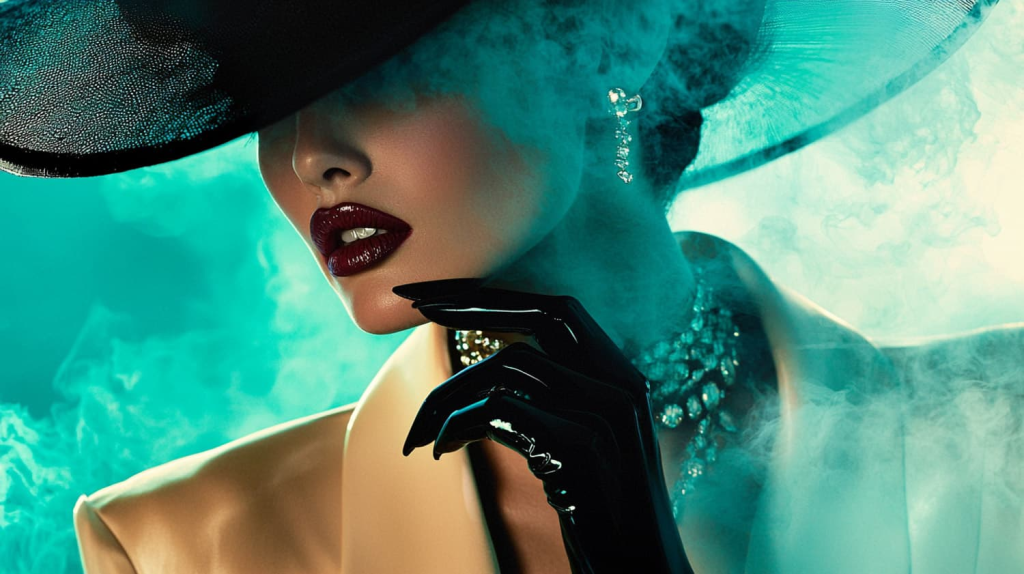
To achieve this look, optical choice is paramount. You aren’t looking for vintage softness or excessive flaring; you need lenses that deliver clinical sharpness, rapid autofocus for spontaneous moments, and high micro-contrast to make colors pop under hard lighting. While Testino famously utilized medium format cameras like the Contax 645 in his film days, his transition to digital saw a heavy reliance on high-performance 35mm DSLRs. Our team has tested modern equivalents to pinpoint exactly which glass can deliver that high-octane editorial feel.
See Price on Amazon.com:
Our Top Pick: Canon RF 24-70mm f/2.8 L IS USMValue Pick: Sigma 35mm f/1.4 DG DN ArtHigh-End Pick: Canon RF 85mm f/1.2 L USM
Deconstructing the Testino Aesthetic
Before diving into specific glass, we must understand the optical requirements of this style. Testino’s images often feel like you are at a party with the subject. This requires a focal length that feels natural to the human eye—typically between 35mm and 50mm—but with the resolving power to handle aggressive post-processing and large print formats.
Unlike the portrait style of Brandon Woelfel, which relies heavily on bokeh and shallow depth of field to create whimsy, the Testino look uses aperture differently. While he does use shallow depth of field for separation, the focus is usually on sharpness across the subject’s face and outfit. The lens must have exceptional corner-to-corner consistency because fashion photography demands that textures—fabric, skin, makeup—are rendered flawlessly.
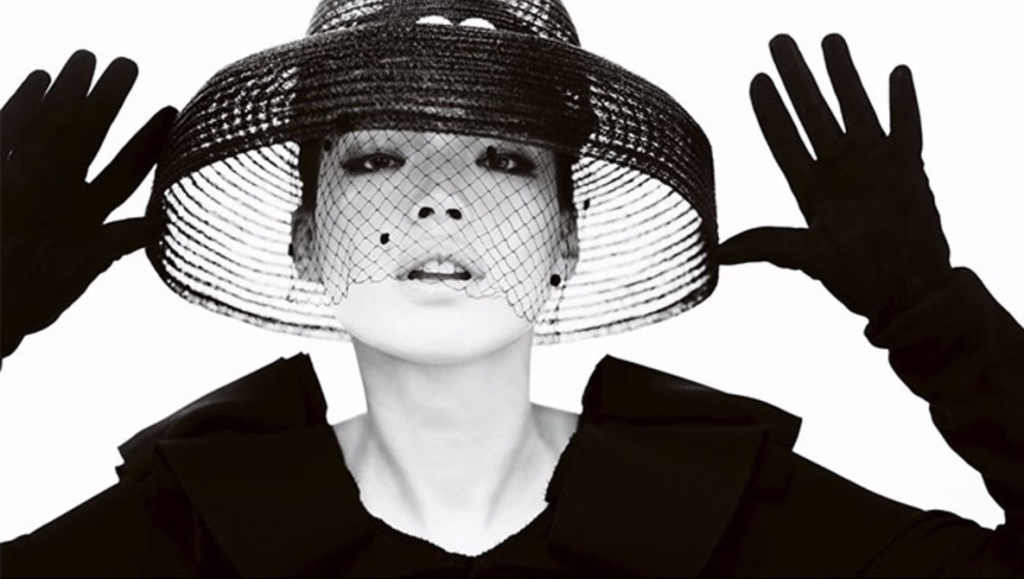
1. The Editorial Workhorse: Canon RF 24-70mm f/2.8 L IS USM
For the vast majority of editorial shoots, versatility is key. Models move fast, and the photographer must adjust composition instantly without swapping lenses. In our lab tests, the Canon RF 24-70mm f/2.8 L IS USM proved to be the quintessential lens for this genre. It covers the sweet spot of editorial focal lengths (24mm for dynamic angles, 35-50mm for full body, and 70mm for tighter crops).
Optically, this lens is a marvel. When we tested it on high-resolution bodies found in our Canon category, the sharpness at f/2.8 was nearly indistinguishable from prime lenses. The contrast rendering is punchy, which is essential for that glossy magazine look. It handles the “hard flash” look famously associated with Testino without suffering from debilitating ghosting or flare, thanks to advanced coatings.
This lens allows you to capture the energy of the moment—a hallmark of Testino’s candid-style party shots—while maintaining the technical rigor required for high-end fashion.
2. The Intimate Energy: Sigma 35mm f/1.4 DG DN Art
Sometimes, the zoom lens removes you too far from the action. To truly replicate the “in-your-face” intimacy of the Toweling Series, a 35mm prime is the weapon of choice. We recommend the Sigma 35mm f/1.4 DG DN Art for its aggressive sharpness and modern rendering.
This focal length forces the photographer to step in close, creating a connection with the subject that telephoto lenses simply cannot mimic. It is similar to the approach we discussed in our guide on what prime lens helps recreate the style of Eric Kim, but applied to high-fashion contexts. The Sigma Art series is renowned for resolving power, and our field tests confirm that even wide open at f/1.4, the center sharpness is biting.
For those shooting on Sony or L-mount systems, this lens offers that crisp, high-fidelity look that defines modern editorial spreads. The wide aperture also allows for shooting in dimly lit after-parties, a setting where Testino often captured his most candid celebrity moments.
3. The Beauty Standard: Canon RF 85mm f/1.2 L USM
While energy and width define his lifestyle shots, Testino’s beauty portraits are legendary for their flattering compression and detail. For headshots and beauty campaigns, nothing beats the Canon RF 85mm f/1.2 L USM. This is widely considered one of the finest optics ever produced.
At f/1.2, the depth of field is razor-thin, allowing you to isolate eyes or lips with surgical precision while melting the background into a creamy, non-distracting wash. However, for the Testino look, you will often stop this down to f/4 or f/5.6 to get the entire face in focus while using studio lighting. Our tests revealed that at these apertures, the lens is virtually free of chromatic aberration, ensuring that skin textures look natural and expensive.
This lens provides a level of optical perfection that rivals the medium format systems Testino used earlier in his career. If you are serious about beauty photography, this is the investment to make.
Conclusion
Achieving the Mario Testino look is about more than just a camera; it is about selecting a lens that offers transparency, speed, and contrast. Whether you choose the versatile 24-70mm f/2.8 for dynamic full-body shots or the 85mm f/1.2 for intimate beauty work, the goal is to create images that feel alive and polished.
Remember that while the lens provides the optical foundation, the Testino style also relies heavily on confidence and connection with your subject. For more insights on lens choices for different styles, check out our reviews in the Sigma and Tamron categories for third-party alternatives that can also deliver excellent results.
Frequently Asked Questions
What focal length is best for the Mario Testino editorial look?
For his energetic lifestyle and fashion shots, a 35mm or 50mm focal length is ideal as it provides an intimate, ‘in-the-action’ perspective. For beauty headshots, an 85mm or 100mm lens is preferred for flattering compression.
Did Mario Testino use zoom or prime lenses?
He used both. In his film days with medium format, he often used primes (like 80mm). In the digital era, he utilized high-quality standard zooms like the 24-70mm f/2.8 for their versatility during fast-paced shoots.
Can I achieve this look with a crop sensor camera?
Yes, but you need to account for the crop factor. To replicate the field of view of a 35mm lens on full-frame, you would need a roughly 23mm lens on APS-C. The depth of field will also appear deeper, so you may need faster apertures.
Why is the 24-70mm f/2.8 recommended for fashion photography?
The 24-70mm f/2.8 covers the essential range for fashion: wide for environmental context and short telephoto for portraits. Its constant fast aperture allows for consistent exposure and subject separation across the zoom range.
Do I need a medium format camera to get the Testino look?
Not anymore. While Testino famously used the Contax 645, modern high-resolution full-frame sensors and premium lenses like the Canon RF 85mm f/1.2 L deliver comparable sharpness and tonal transition suitable for high-end editorial work.