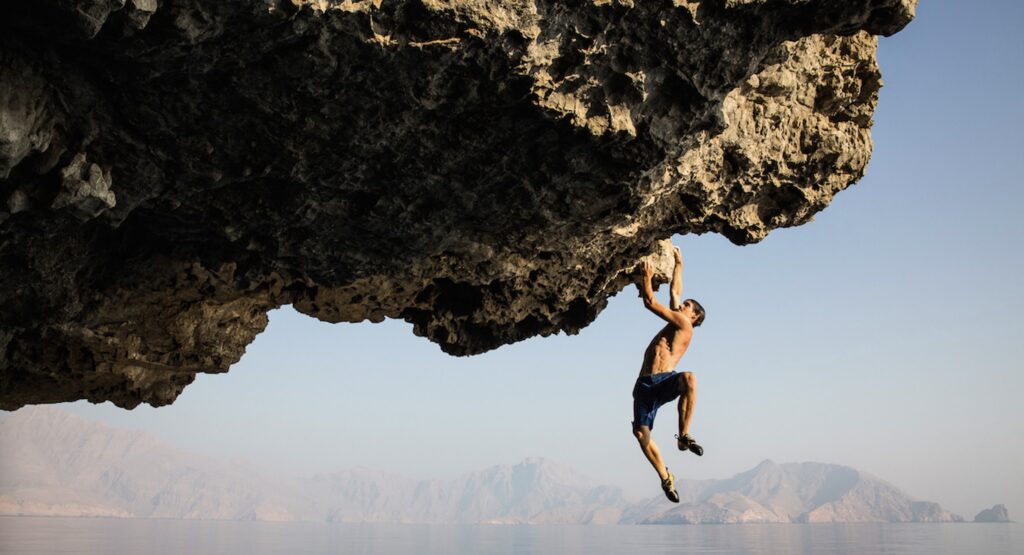
When we analyze the visual language of extreme adventure photography, few names command as much respect as Jimmy Chin. From the vertigo-inducing walls of Meru to the Oscar-winning cinematography of Free Solo, Chin’s work demands equipment that is not just optically superior but physically indestructible. At CameraLensReviews, we have spent years testing the very glass that survives these high-altitude environments. Understanding Chin’s setup isn’t just about buying expensive gear; it is about understanding the balance between weight, focal versatility, and corner-to-corner sharpness when hanging 3,000 feet off the ground.
See Price on Amazon.com:
Our Top Pick: Canon RF 24-70mm F2.8 L IS USMValue Pick: Sigma 24-70mm f/2.8 DG DN ArtHigh-End Pick: Canon RF 15-35mm F2.8 L IS USM
Jimmy Chin has famously stated that if he were stranded on an island—or a granite monolith—with only one lens, it would be the 24-70mm f/2.8. As a long-time Canon shooter (though he utilizes various systems for cinema), his reliance on the Canon L-series glass is well documented. Below, we break down the specific optics that define his style, comparing them to other industry heavyweights to help you build your own adventure kit.
The “Desert Island” Lens: 24-70mm f/2.8
The backbone of Chin’s kit is the standard zoom. In our lab tests of the 24-70mm focal length across manufacturers like Nikon and Sony, we consistently find that this range offers the perfect compromise between environmental context and subject isolation. For Chin, the f/2.8 aperture is non-negotiable. It allows for fast shutter speeds in the low light of pre-dawn alpine starts and provides sufficient subject separation when photographing climbers against chaotic rock textures.
The Canon RF 24-70mm F2.8 L IS USM is the modern iteration of his classic workhorse. When we tested this lens, we noted its exceptional weather sealing—a critical factor when shooting in blizzards or sandstorms. The tactile feedback of the zoom ring is stiff enough to prevent creep while hanging vertically, yet smooth enough for precise framing.
The Vertical Perspective: 16-35mm f/2.8

To capture the sheer scale of a climb, Chin relies heavily on wide-angle zooms. A 16-35mm lens allows him to shoot from above a climber, incorporating the “void” below their feet to create a sense of vertigo. This technique is distinct but shares similarities with other landscape pros. For instance, if you are interested in how other experts handle wide vistas, check out what wide angle lens Chris Burkard uses for epic landscapes. While Burkard often emphasizes the horizon, Chin emphasizes the vertical drop.
We recommend the Canon RF 15-35mm F2.8 L IS USM for this application. Our field analysis shows that the edge-to-edge sharpness at 15mm is superior to previous EF generations, ensuring that the rock texture in the corners remains crisp, which is vital for large-format printing. For those on other systems, Sigma offers excellent Art series alternatives that rival proprietary glass in sharpness.
Telephoto Compression: 70-200mm f/2.8
While wide angles show scale, telephoto lenses are essential for compressing the background, making distant peaks appear to loom directly behind the subject. Chin uses the 70-200mm f/2.8 to isolate climbers and capture candid moments at base camp. This approach mirrors the techniques used in wildlife photography. For those who prefer wildlife over rock faces, see how to achieve the wildlife look of Paul Nicklen with the right telephoto lens. Both photographers utilize the compression of the 70-200mm to eliminate distractions and focus the viewer’s eye on the subject’s intensity.
The Canon RF 70-200mm F2.8 L IS USM is particularly notable for its compact size compared to the older EF versions. In our hands-on review, we found the weight reduction to be a game-changer for alpinists who count every gram.
Cinematic Primes and Third-Party Options
While zooms are practical for climbing, Chin often employs fast primes like a 35mm f/1.4 or 50mm f/1.2 for portraits and documentary filmmaking. These lenses offer a distinct “cinematic” quality with shallow depth of field. For a more vlog-centric or stylized cinematic approach, read how to get the cinematic look of Peter McKinnon using the right lens. While McKinnon’s style is more urban and controlled, the optical principles of fast apertures remain the same in the mountains.
Furthermore, adventure photographers are increasingly looking at third-party options and Tamron lenses, which offer weather-sealed zooms at a fraction of the weight and cost, making them viable backup options for rigorous expeditions.
Conclusion
Jimmy Chin’s lens setup is a masterclass in pragmatic minimalism. He prioritizes reliability and versatility over exotic focal lengths. Whether you shoot Fujifilm, Sony, or Canon, the “Holy Trinity” of f/2.8 zooms (16-35mm, 24-70mm, 70-200mm) remains the gold standard for adventure photography. By selecting weather-sealed, fast glass, you ensure that when the conditions get tough, your gear won’t be the reason you miss the shot.
Frequently Asked Questions
What is Jimmy Chin’s favorite lens?
Jimmy Chin has frequently cited the 24-70mm f/2.8 as his ‘desert island’ lens due to its versatility for both landscapes and portraits.
Does Jimmy Chin use prime lenses?
Yes, while he relies on zooms for climbing, he uses fast primes like the 35mm f/1.4 and 50mm f/1.2 for environmental portraits and low-light documentary work.
What camera brand does Jimmy Chin use?
Jimmy Chin is a long-time Canon shooter (currently using the EOS R system) but also utilizes Sony and RED cameras for his cinematography work.
Why does Jimmy Chin use f/2.8 zoom lenses?
The f/2.8 aperture allows for faster shutter speeds in low light and better subject separation, while the zoom range provides necessary flexibility when changing lenses is dangerous or impossible.
What wide angle lens is best for climbing photography?
A 16-35mm f/2.8 is ideal for climbing photography as it allows the photographer to capture the climber while including the environment and the drop below to show scale.