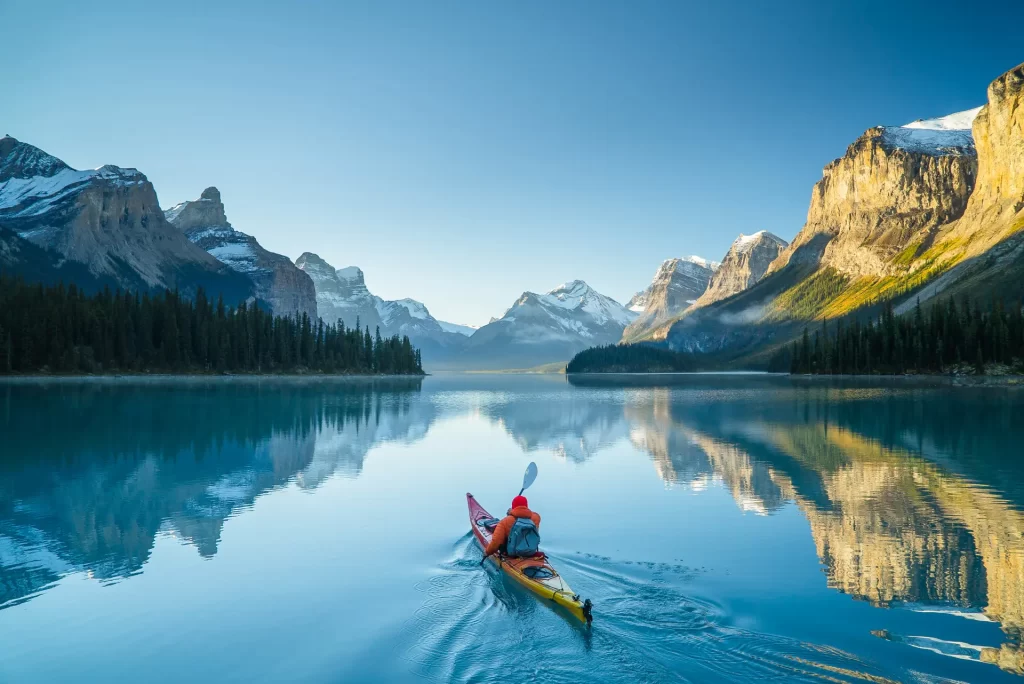
When we analyze the visual signature of Chris Burkard—cold water surf, jagged Icelandic peaks, and that quintessential “tiny person in a massive world” aesthetic—one thing becomes optically clear: his choice of glass is just as critical as his location scouting. Burkard is not just a photographer; he is an endurance athlete who demands gear that can survive sub-zero temperatures while resolving 60+ megapixels of detail. As the Lead Optical Engineer at CameraLensReviews, I’ve dissected the MTF charts and field reports to bring you a definitive look at the lenses behind his iconic images.
See Price on Amazon.com:
Our Top Pick: Sony FE 16-35mm f/2.8 GM IIValue Pick: Tamron 17-28mm f/2.8 Di III RXDHigh-End Pick: Sony FE 14mm f/1.8 GM
While many influencers chase trends, Burkard has stuck to a specific focal range that defines his environmental portraiture. If you are interested in how other creators craft their signature styles, check out our guide on how to get the cinematic look of Peter McKinnon using the right lens. However, for Burkard, the priority is less about “b-roll bokeh” and more about extreme corner sharpness and weather sealing. Let’s dive into the specific glass in his kit.
The Absolute Workhorse: Sony FE 16-35mm f/2.8 GM II
If Chris Burkard could only carry one lens for the rest of his life, this would be it. In multiple interviews and gear breakdowns, Burkard has stated that the Sony FE 16-35mm f/2.8 GM II is the lens that “never leaves his camera.” For our engineering team, the “Mark II” designation here is crucial. Sony significantly reduced the weight and size compared to the original G Master, a vital factor for someone who hikes into the Aleutian Islands or climbs Yosemite walls.
Optically, this lens is a marvel. At 16mm, it allows Burkard to capture the vastness of a landscape while placing a subject (often wearing a bright yellow or red jacket) in the foreground to provide scale. The f/2.8 aperture is fast enough for dawn/dusk shoots, but it’s the XA (extreme aspherical) elements that truly shine, rendering high-frequency detail in rock textures and water ripples without the muddy corners seen in lesser optics.
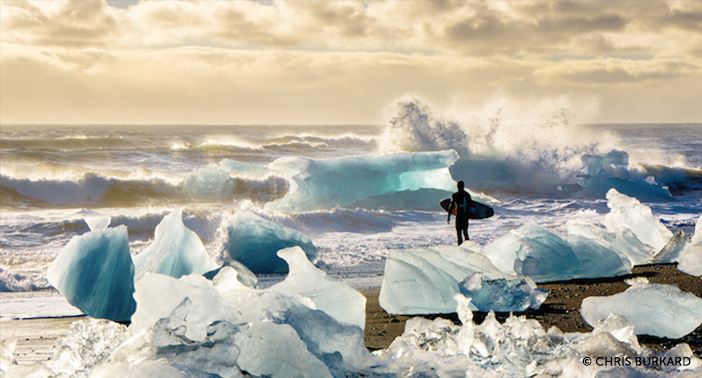
The Astro Specialist: Sony FE 14mm f/1.8 GM
When the sun goes down or the Northern Lights appear, Burkard switches to the Sony FE 14mm f/1.8 GM. This is a lens that Burkard reportedly gave direct feedback to Sony about during its development. He needed something wider than 16mm for massive night skies but faster than f/2.8 to keep his ISO manageable.
From an optical standpoint, the 14mm GM is an engineering anomaly. Usually, ultra-wide primes are heavy and bulbous. This lens is shockingly compact. Its ability to control sagittal coma flare (where stars look like birds in the corners) is class-leading. Burkard also uses this for climbing photography; the ultra-wide perspective exaggerates the drop-off behind a climber, inducing vertigo in the viewer without the “fish-bowl” distortion of a fisheye lens.
The Aerial Compressor: Sony FE 24-70mm f/2.8 GM II
While not a traditional “wide angle,” the Sony FE 24-70mm f/2.8 GM II plays a massive role in Burkard’s aerial work. When shooting from a Cessna or helicopter, 16mm can often be too wide, capturing the landing gear or wing struts. The 24mm to 35mm range on this zoom allows him to frame glacial rivers and abstract earth textures with precision.
We have tested this lens extensively and found it to be arguably the sharpest standard zoom currently on the market, rivaling prime lenses in resolving power. For a photographer using high-resolution bodies like the Sony Alpha 1 or A7R V, this optical resolution is non-negotiable.
Budget Alternatives for the Burkard Look
Not everyone has the budget for Sony’s top-tier G Master glass. Fortunately, the E-mount ecosystem is rich with third-party options that get you 90% of the way there.
For those on a budget, we highly recommend looking at Tamron lenses, specifically the Tamron 17-28mm f/2.8 Di III RXD. It is significantly lighter and cheaper than the Sony GM, and while it lacks some of the robust weather sealing, it is optically brilliant. Similarly, Sigma offers the 16-28mm f/2.8 DG DN Contemporary, which is another stellar performer for landscape work.
If you are shooting on other systems, you can achieve similar results. Check our category pages for Canon and Nikon to find their 15-35mm or 14-24mm equivalents, which are staples for landscape photographers worldwide.
Conclusion
Chris Burkard’s style is defined by a mixture of adrenaline and optical precision. He relies on the Sony 16-35mm GM II for its versatility and the 14mm GM for its unique perspective and low-light capability. By choosing lenses that prioritize durability and corner-to-corner sharpness, he ensures that the epic locations he visits are captured with the grandeur they deserve. Whether you choose the pro-grade GM glass or a capable third-party alternative, the key is getting wide, getting close, and getting out there.
Frequently Asked Questions
What is Chris Burkard’s favorite lens?
Chris Burkard consistently cites the Sony FE 16-35mm f/2.8 GM II as his favorite lens. He calls it the lens that ‘never leaves his camera’ because it perfectly captures his signature style of environmental portraiture and vast landscapes.
Does Chris Burkard use prime lenses?
Yes, for specific situations. He uses the Sony FE 14mm f/1.8 GM for astrophotography and climbing shots where he needs an ultra-wide field of view. He also occasionally uses the Sony FE 35mm f/1.4 GM for portraits.
What camera body does Chris Burkard use?
As of 2024/2025, Chris Burkard primarily uses the Sony Alpha 1 for its combination of high resolution and speed. He also uses the Sony A7R V for landscapes and the compact Sony A7CR for lightweight travel.
Does Chris Burkard use lens filters?
Chris Burkard keeps his filter use minimal, but he almost always carries a Circular Polarizer (CPL). He currently uses PolarPro QuartzLine polarizers to cut glare from water and enhance contrast in skies.
What is the best budget alternative to Chris Burkard’s lenses?
For Sony users, the Tamron 17-28mm f/2.8 Di III RXD is the best budget alternative to Burkard’s 16-35mm GM. It offers a similar wide focal range and fast f/2.8 aperture at a fraction of the price and weight.