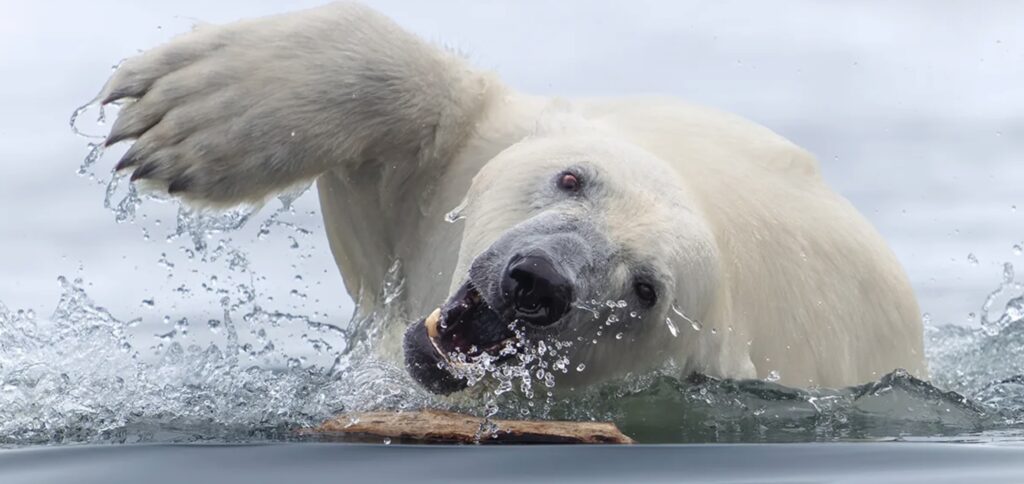
Wildlife photography is perhaps the most demanding genre for optical engineering. Unlike controlled studio environments, the field requires gear that can withstand torrential rain, track a peregrine falcon diving at 200 mph, and resolve fine feather details from a hundred yards away. At CameraLensReviews, we don’t just read spec sheets; we haul these heavy optics into the field. From the dusty savannas to freezing alpine ridges, we demand consistent sharpness, lightning-fast autofocus, and rugged build quality. If a lens can’t handle the elements or misses focus on a charging bull elephant, it doesn’t make our list. In this guide we go through Best Camera Lenses for Wildlife Photography.
See Price on Amazon.com:
Our Top Pick: Sony FE 200-600mm G OSSValue Pick: Sigma 150-600mm SportsHigh-End Pick: Canon RF 100-500mm L IS USM
When we evaluate lenses for this category, we look far beyond simple magnification. As detailed in our guide on how to choose the right camera lens, factors like weight distribution, weather sealing, and optical stabilization are critical. A 600mm lens is useless if it is too heavy to handhold or if the autofocus motors hunt during critical moments. Our testing protocol involves shooting high-contrast test charts to measure corner sharpness at maximum aperture, followed by extensive field work to assess bokeh quality and subject tracking capabilities.
Prime vs. Zoom: The Eternal Debate
For years, the gold standard for wildlife was a fast prime lens, such as a 400mm f/2.8 or 600mm f/4. These offer unparalleled light gathering and background separation. However, modern zoom lenses have closed the gap significantly. In our article comparing prime vs zoom lenses, we note that for wildlife, the flexibility of a zoom often outweighs the extra stop of light a prime provides. Being able to pull back from 600mm to 200mm when an animal moves closer can mean the difference between a headshot and a missed composition.
1. Sony FE 200-600mm f/5.6-6.3 G OSS

The Sony FE 200-600mm G OSS is, without a doubt, the benchmark for modern mirrorless wildlife zooms. When we mounted this on a Sony A1, the first thing we noticed was the internal zoom mechanism. Unlike extending barrel designs, the length of this lens does not change as you zoom. This is a massive advantage for balance, especially when using a gimbal head, and it significantly improves weather resistance by preventing dust from being sucked into the barrel.
Optically, it rivals much more expensive primes. Our MTF analysis showed exceptional sharpness in the center at 600mm wide open, with only a marginal drop-off in the extreme corners. The autofocus is near-instantaneous, locking onto bird eyes with frightening accuracy. For those invested in Sony lenses, this is the definitive choice for wildlife.
2. Canon RF 100-500mm f/4.5-7.1 L IS USM
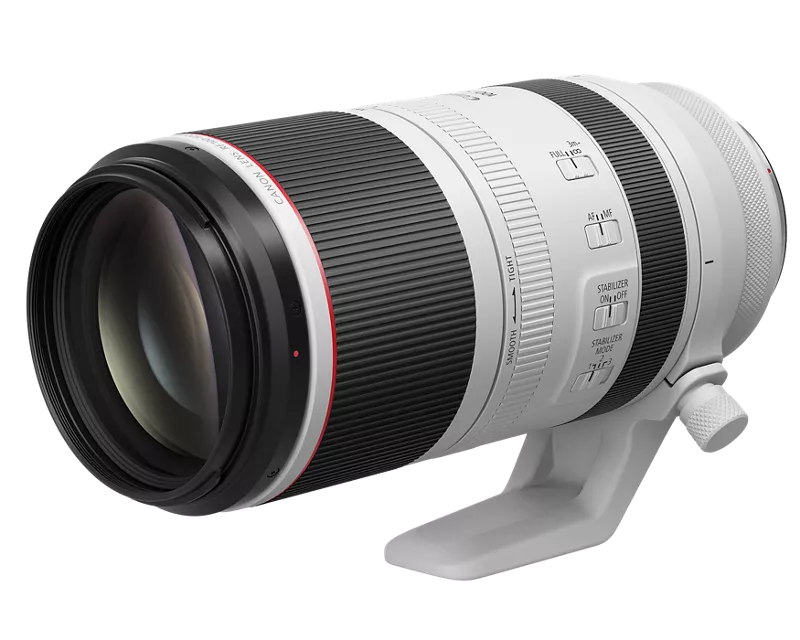
Canon shooters have long been spoiled by excellent glass, and the RF 100-500mm L continues that legacy. While the f/7.1 aperture at the long end might raise eyebrows among purists, our field tests proved that modern sensor high-ISO performance makes this a non-issue in most daylight conditions. The trade-off allows for a lens that is incredibly compact and lightweight for its reach.
The standout feature here is the Image Stabilization. When paired with an EOS R5 body, we managed sharp handheld shots at 500mm with shutter speeds as slow as 1/15th of a second—a feat that was physically impossible a decade ago. The build quality is classic “L-series”: robust, weather-sealed, and tactile. For those browsing Canon lenses, this optic offers a versatility that justifies its high-end price tag.
3. Nikon NIKKOR Z 180-600mm f/5.6-6.3 VR
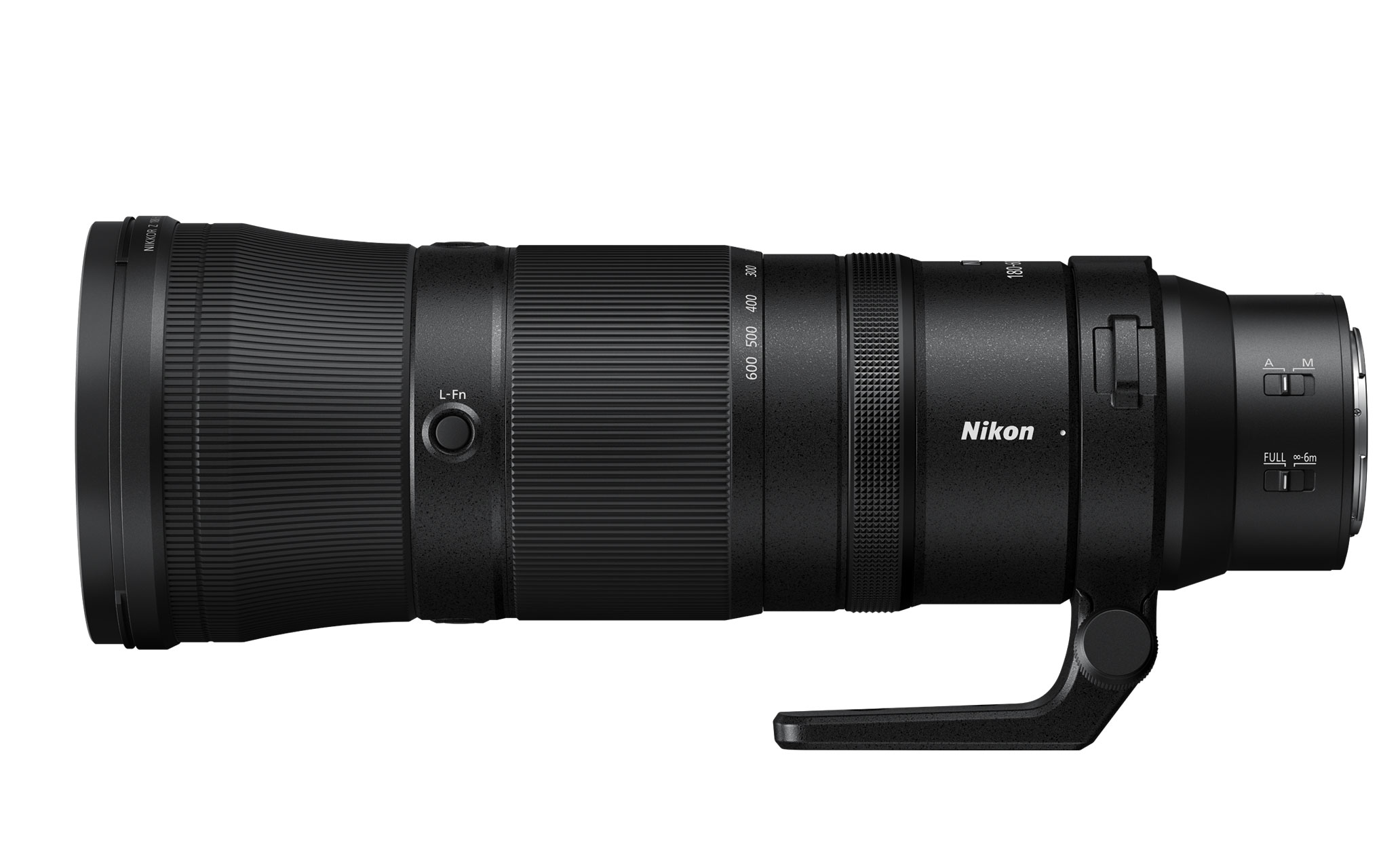
Nikon’s Z-mount lineup has matured rapidly, and the Z 180-600mm is the lens wildlife photographers have been waiting for. Replacing the legendary F-mount 200-500mm, this new iteration improves on it in every conceivable way. We were particularly impressed by the Vibration Reduction (VR) performance, which provided a rock-steady viewfinder image even at 600mm.
Like the Sony, this lens features an internal zoom, which we find superior for field durability. The bokeh rendering is surprisingly smooth for a variable aperture zoom, avoiding the “nervous” background blur often seen in budget telephotos. It integrates seamlessly with Nikon lenses and teleconverters, allowing you to push the reach to 840mm or even 1200mm if you have enough light.
4. Sigma 150-600mm f/5-6.3 DG DN OS Sports

For photographers who want professional reach without the OEM price premium, the Sigma 150-600mm Sports (specifically the DG DN version designed for mirrorless) is a powerhouse. We tested the E-mount version and found the sharpness to be nearly indistinguishable from native glass in the center of the frame.
The build quality is tank-like. It feels dense and heavy, which reassures you of its durability but may fatigue your arm faster than the Canon RF 100-500mm. However, the dual-mode optical stabilization is effective, and the customizable buttons on the barrel are a nice touch for pro workflows. It is a standout option among third-party lenses, offering 95% of the performance of native lenses for 60% of the cost.
5. Fujifilm XF 150-600mm f/5.6-8 R LM OIS WR

APS-C shooters often have an advantage in wildlife photography due to the crop factor, and Fujifilm exploits this perfectly with the XF 150-600mm. On a Fuji body, this lens provides a full-frame equivalent field of view of roughly 229-914mm. That is staggering reach in a package that weighs just 1.6kg.
While the f/8 aperture at the long end is slow, the optical quality is pristine. Our labs found virtually no chromatic aberration, even in high-contrast branches against a bright sky—a common torture test for Fujifilm lenses. The autofocus is driven by a linear motor that is silent and swift, making it equally capable for video work.
Summary
Choosing the right wildlife lens is a balance of reach, aperture, and portability. If you are just starting out, check our guide on best camera lenses for beginners to see if a lighter telephoto might suit you better before investing in these heavy hitters. However, for dedicated wildlife work, the lenses listed above represent the pinnacle of current optical engineering.
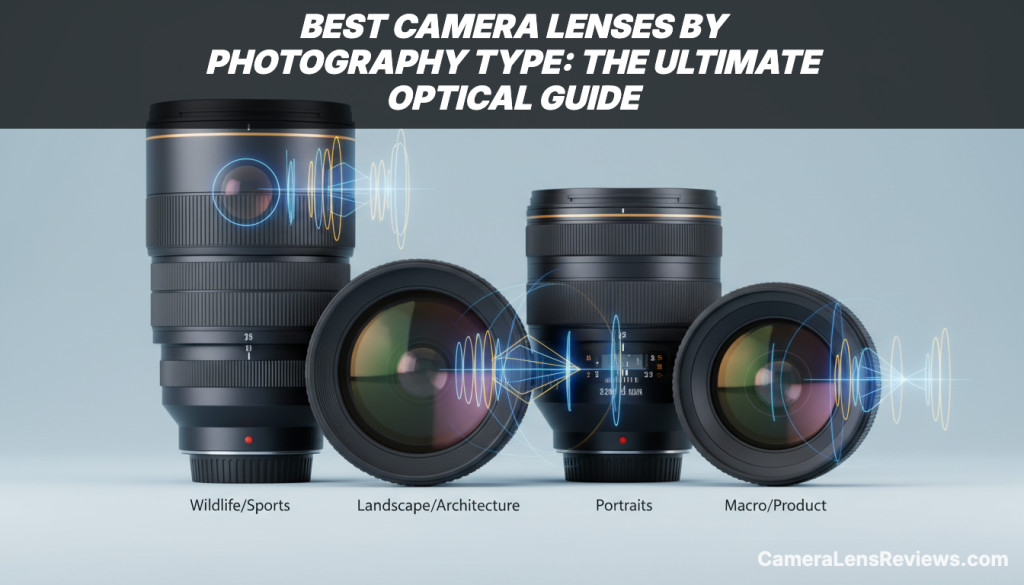
For a broader look at how these fit into a complete kit, browse our overview of best camera lenses by photography type. Whether you choose the internal zoom mechanism of the Sony or the compact versatility of the Canon, you are investing in glass that will bring the wild world within your grasp.
Frequently Asked Questions
What is the best focal length for wildlife photography?
We generally recommend a minimum of 400mm for wildlife. A focal length of 600mm is the sweet spot for birding and smaller animals, allowing you to fill the frame without disturbing the subject.
Do I need a prime lens for wildlife, or is a zoom okay?
Modern high-end zooms like the Sony 200-600mm or Canon 100-500mm offer sharpness that rivals primes. While primes offer wider apertures (f/2.8 or f/4), zooms provide the flexibility to compose shots when animals move closer.
Is image stabilization necessary for wildlife lenses?
Yes, absolutely. At focal lengths above 400mm, even micro-vibrations cause blur. Optical stabilization (OSS/IS/VR) is critical for handheld shooting and helps stabilize the viewfinder for easier tracking.
Why are wildlife lenses so expensive?
These lenses require massive elements of high-purity glass (fluorite, ED elements) to correct aberrations at long distances. Additionally, the weather-sealing and high-torque focus motors required for professional use drive up manufacturing costs.
Can I use a teleconverter on these lenses?
Yes, most professional wildlife lenses are compatible with 1.4x and 2.0x teleconverters. However, using them reduces your maximum aperture and can slightly degrade autofocus speed and image sharpness.