There is a distinct physical toll that comes with hauling heavy glass across cobblestone streets in Rome or up the steep trails of the Andes. As optical engineers and photographers who live for the perfect shot, we know that the “best” lens isn’t always the one with the most aggressive MTF chart—sometimes, it’s the one you actually want to carry. When we evaluate the best camera lenses for travel photography, we look for a delicate balance: optical brilliance, rugged weather sealing, and a form factor that won’t break your back.
See Price on Amazon.com:
Our Top Pick: Sony FE 24-105mm f/4 G OSSValue Pick: Tamron 28-200mm f/2.8-5.6High-End Pick: Canon RF 24-70mm f/2.8 L IS USM
In our field tests, we prioritize versatility. A great travel lens must handle everything from wide-angle landscapes to tight environmental portraits without requiring a lens change every five minutes. Whether you are looking for best camera lenses for beginners (what to buy first) or upgrading your professional kit, the glass below represents the pinnacle of travel optics.
Defining the Perfect Travel Lens
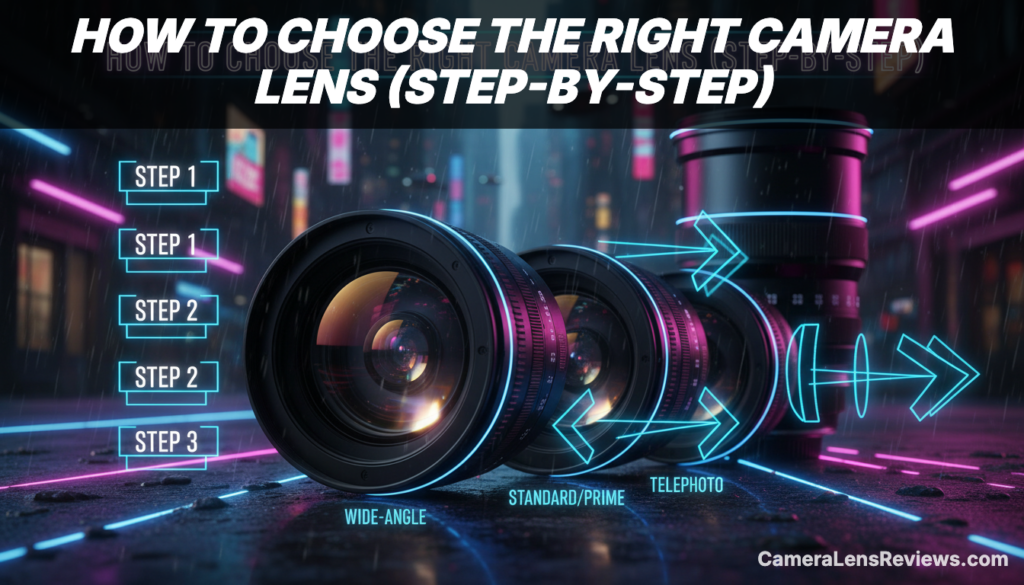
Before diving into specific models, it is crucial to understand the trade-offs involved in optical design. As we discussed in our guide on how to choose the right camera lens (step-by-step), travel photography often demands a “standard zoom”—typically covering 24mm to 70mm or 105mm. This range covers the vast majority of travel scenarios.
One of the biggest debates we encounter is prime vs zoom lenses: which should you buy? For travel, we generally lean toward high-quality zooms for their flexibility. However, a fast prime can be indispensable for best camera lenses for low light photography inside dim cathedrals or night markets. Below, we break down the top contenders across major systems.
1. Sony FE 24-105mm f/4 G OSS
Category: Sony Lenses
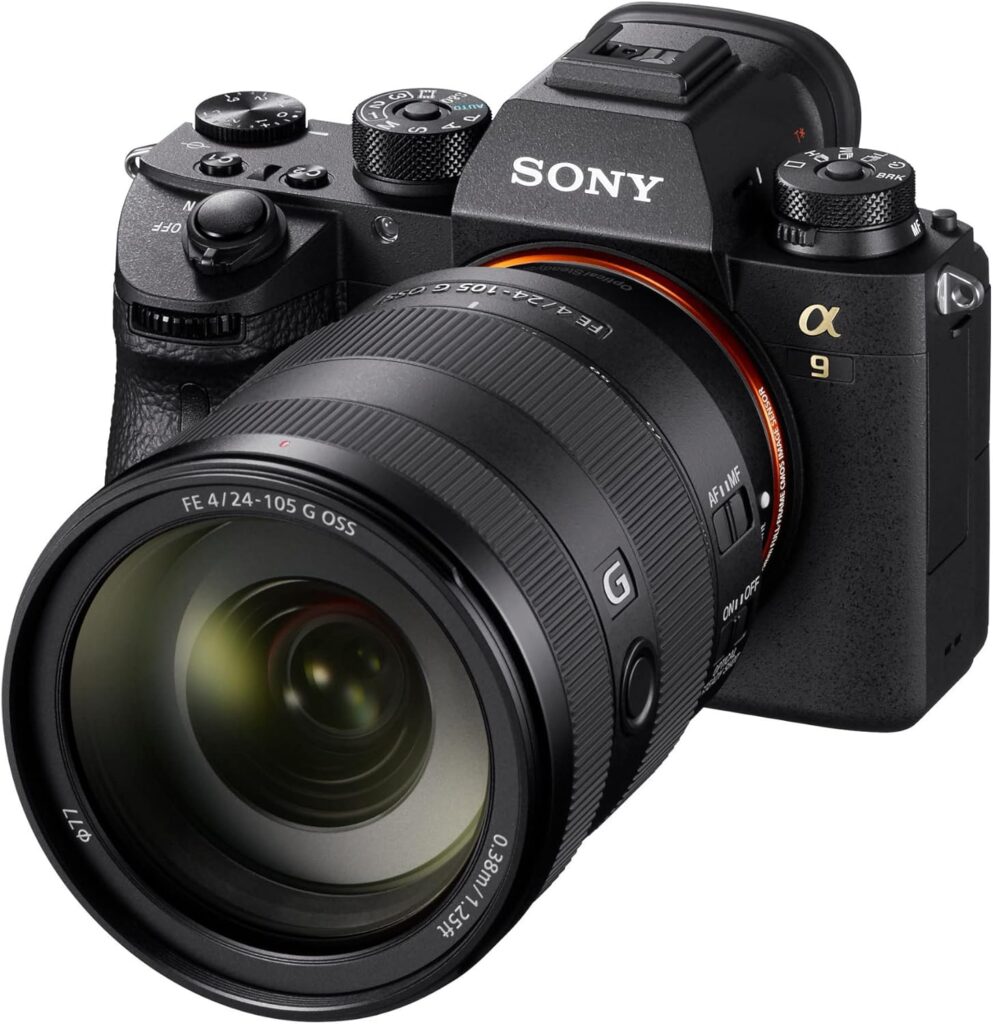
The Sony FE 24-105mm f/4 G OSS is, in our opinion, the gold standard for travel zooms. When we tested this lens on the A7 series, we were struck by its consistent corner-to-corner sharpness, even wide open at f/4. While it lacks the f/2.8 aperture of the G Master series, the optical stabilization (OSS) compensates admirably, allowing for slower shutter speeds without a tripod.
The focal range is the real star here. At 24mm, it captures sweeping cityscapes, while the 105mm end provides enough compression for flattering portraits, a key factor we highlight in our article on best camera lenses for portrait photography. The bokeh is neutral and pleasing, though not as creamy as a prime. Physically, the tactile feedback of the zoom ring is smooth, and the weather sealing has held up against light rain in our field tests.
2. Canon RF 24-70mm f/2.8 L IS USM
Category: Canon Lenses
If weight is less of a concern than pure optical perfection, the Canon RF 24-70mm f/2.8 L IS USM is a masterpiece. During our lab analysis, this lens resolved detail that rivaled many prime lenses. The inclusion of Image Stabilization (IS) in a standard f/2.8 zoom is a game-changer for Canon shooters, providing up to 5 stops of shake correction.
This lens shines in challenging lighting. If your travel plans involve night photography or indoor events, the fast f/2.8 aperture is superior to f/4 alternatives. It allows you to keep ISO levels lower, ensuring cleaner files. For those who also dabble in nature, while it isn’t long enough to be one of the best camera lenses for wildlife photography, it handles environmental wildlife shots beautifully. The build quality is tank-like, typical of the L-series.
3. Nikon Z 24-120mm f/4 S
Category: Nikon Lenses
Nikon has a long history of excellent travel zooms, and the Z 24-120mm f/4 S is the best they have ever made. We were genuinely surprised by the lack of chromatic aberration and distortion, which are usually plagued by lenses with this 5x zoom ratio. The “S” line designation ensures premium coatings, which we found effectively eliminated flare when shooting into the sun—a common scenario in travel landscapes.
This lens offers significant reach. The extra 15mm on the long end (compared to a 105mm) makes a noticeable difference for isolating details in architecture or distant subjects. It is lightweight enough to balance perfectly on a Z6 or Z7 body, making it a top recommendation in our camera lenses explained: a complete buyer’s guide.
4. Tamron 28-200mm f/2.8-5.6 Di III RXD
Category: Third-Party Lenses
For the budget-conscious traveler or the minimalist, the Tamron 28-200mm is a revelation. Historically, “superzooms” were synonymous with poor image quality, but modern optical engineering has changed that. We found the sharpness at the wide end (28mm) to be remarkably close to standard zooms. The variable aperture does drop to f/5.6 quickly, but starting at f/2.8 is a massive bonus for low-light situations at wide angles.
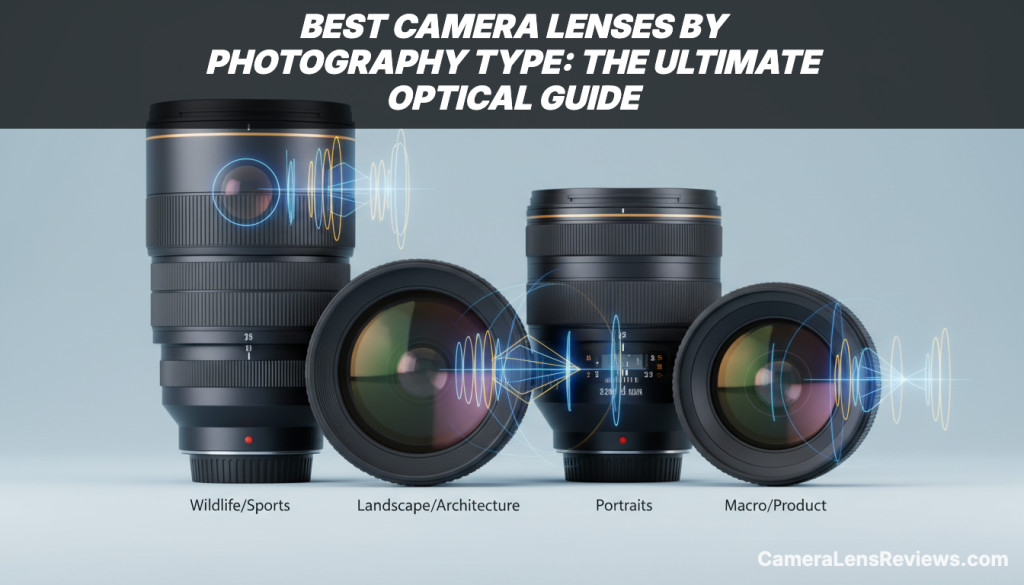
This lens covers a vast range of focal lengths, making it a viable single-lens solution for 95% of travel needs. It aligns perfectly with the philosophy we outline in best camera lenses by photography type for “all-in-one” shooters. It is compact, light, and significantly cheaper than native options.
5. Fujifilm XF 35mm f/2 R WR
Category: Fujifilm Lenses
Sometimes, travel photography is about discretion and street scenes. The Fujifilm XF 35mm f/2 R WR (53mm full-frame equivalent) is a tiny, weather-resistant prime that delivers stunning micro-contrast. In our testing, the autofocus was instantaneous, locking onto subjects in chaotic street environments without hunting.
While zooms offer versatility, this prime forces you to “zoom with your feet,” often resulting in more engaged and thoughtful compositions. It is unobtrusive, making you look less like a tourist and more like a local. For Fujifilm users, this is an essential addition to the kit.
Conclusion
Choosing the best camera lens for travel photography ultimately comes down to your tolerance for weight versus your need for aperture speed. For most photographers, a 24-105mm f/4 offers the perfect compromise. However, fast zooms like the Canon RF 24-70mm f/2.8 or compact primes like the Fuji XF 35mm have their distinct places in a travel bag. Whichever you choose, ensure it is durable enough to handle the journey.
Frequently Asked Questions
What is the best focal length for travel photography?
For most travelers, a standard zoom range of 24-70mm or 24-105mm is ideal. 24mm is wide enough for landscapes and architecture, while 70mm or 105mm is perfect for portraits and details.
Is a prime or zoom lens better for travel?
Zoom lenses are generally better for travel due to their versatility; you can capture various subjects without changing lenses. However, prime lenses are lighter, smaller, and better for low-light situations.
Do I need weather sealing for a travel lens?
Yes, weather sealing is highly recommended for travel lenses. Travel often involves unpredictable weather, dust, and humidity, and a weather-sealed lens ensures your gear remains functional in adverse conditions.
What is a ‘superzoom’ lens and is it good for travel?
A superzoom lens covers a massive focal range, such as 18-300mm or 24-200mm. While they offer the ultimate convenience of never needing to change lenses, they often compromise slightly on image quality and low-light performance compared to shorter zooms.
Should I bring more than one lens for travel?
Ideally, bring one versatile zoom (like a 24-105mm) and one fast prime (like a 35mm f/1.8) for low light. This two-lens kit covers almost every scenario without weighing you down.