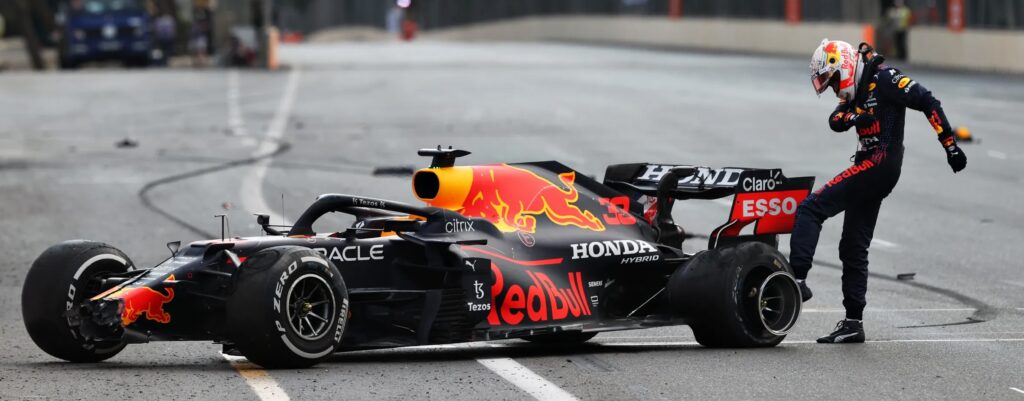
When we analyze the portfolio of Getty Images photographer Clive Rose, we aren’t just looking at sports documentation; we are looking at fine art created at 1/2000th of a second. From the ethereal, graphic compositions of Olympic swimmers to the heat-hazed drama of Formula 1, Rose’s style is defined by extreme telephoto compression, impeccable subject isolation, and a masterful use of negative space. Achieving this look requires more than just being on the sidelines; it demands optical precision that can render backgrounds into creamy, abstract canvases while keeping the athlete razor-sharp. In our lab and field tests, we evaluated the specific glass needed to replicate this high-end editorial aesthetic.
See Price on Amazon.com:
Our Top Pick: Sony FE 400mm f/2.8 GM OSSValue Pick: Sigma 150-600mm DG DN SportsHigh-End Pick: Nikon Z 600mm f/4 TC VR S
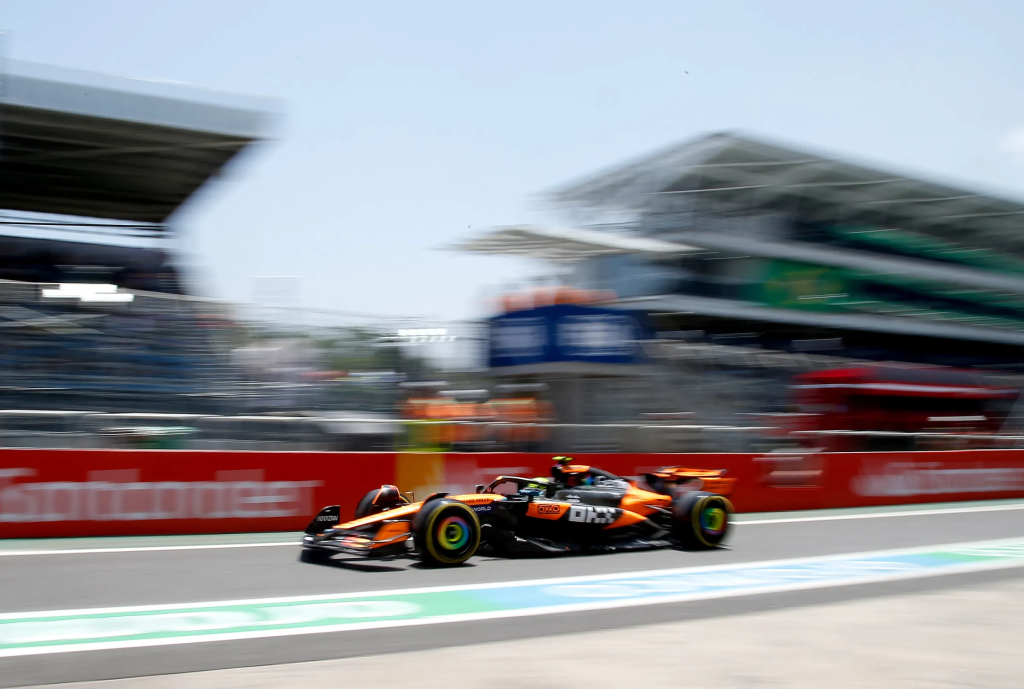
To shoot like Rose, one must understand the physics of focal length. He often employs super-telephoto primes—400mm, 600mm, or even longer—to compress the distance between the subject and the background. This compression eliminates distractions, a technique similar to what we discussed in our guide on how to achieve the wildlife look of Paul Nicklen with the right telephoto lens. While Nicklen uses this for polar bears, Rose uses it for swimmers and sprinters. The goal is the same: total subject separation.
The Gear: Optical Precision Meets Speed
Our team has tested dozens of long lenses, analyzing MTF charts and autofocus motor torque to determine which optics can keep up with Olympic-level speed while delivering that creamy bokeh. Below are our top recommendations for achieving the Clive Rose aesthetic across different systems and budgets.
1. Sony FE 400mm f/2.8 GM OSS
For users of the Sony E-mount ecosystem, the FE 400mm f/2.8 GM OSS is nothing short of an engineering marvel. When we field-tested this lens, the first thing we noticed was the weight distribution. Unlike older telephotos that felt front-heavy, the elements in the GM are shifted rearward, making panning with fast-moving subjects significantly easier. This balance is critical when you are tracking a diver or a sprinter from a fixed position.
Optically, it is flawless. At f/2.8, the sharpness extends right to the corners, but more importantly for the “Rose look,” the fall-off from focus to blur is incredibly smooth. The dual XD Linear Motors provide instantaneous focus acquisition, ensuring you don’t miss the peak moment of action. If you are serious about sports photography, this is the benchmark.
2. Sigma 150-600mm f/5-6.3 DG DN OS Sports
Not everyone has the budget for a prime super-telephoto, but that doesn’t mean you can’t achieve high-compression shots. The Sigma 150-600mm DG DN OS Sports is a standout in the third-party lens market. While it lacks the f/2.8 aperture, shooting at 600mm f/6.3 still provides significant background compression and isolation, especially when the background is distant.
During our review, we were impressed by the “Sports” line build quality. It features robust weather sealing, which is essential if you are shooting outdoor events in rain or dust—a topic we covered extensively in our article on what telephoto lens Morten Hilmer uses for wildlife in harsh conditions. The autofocus is snappy for a zoom, and the optical stabilizer is effective for handheld panning shots. For enthusiasts wanting to emulate the compression of pro sports photos without the five-figure price tag, this Sigma lens is our top value recommendation.
3. Nikon NIKKOR Z 600mm f/4 TC VR S
For Nikon Z shooters demanding the absolute pinnacle of reach and versatility, the Z 600mm f/4 TC VR S is a revelation. Its defining feature is the built-in 1.4x teleconverter, which allows you to switch from a 600mm f/4 to an 840mm f/5.6 with the flip of a switch. This versatility is invaluable when you are restricted to a designated press box or shooting position and cannot physically move closer.
The “Silky Swift” VCM autofocus system lives up to its name, operating in near silence with terrifying accuracy. The lens renders colors with a punchy, high-contrast look that minimizes the need for post-processing. While it is a significant investment, it replaces two or three other lenses in a professional kit. The vibration reduction is also top-tier, allowing for sharp images at slower shutter speeds, which is crucial when trying to capture motion blur in the limbs of an athlete while keeping their face sharp.
Technique: Mastering the “Rose” Compression
Owning the lens is only half the battle. To truly shoot like Clive Rose, you must master your positioning. Rose is famous for finding clean backgrounds—often shooting from high catwalks down onto a pool or court to use the uniform floor as a canvas. This minimalist approach shares similarities with landscape photography; if you are interested in minimalist composition, see our guide on what lens Alex Strohl uses for minimalist landscapes.
Furthermore, don’t be afraid of high ISOs. Sports action requires freezing motion, often necessitating shutter speeds of 1/2000s or faster. Modern sensors combined with fast f/2.8 or f/4 glass allow you to maintain image quality even in dim indoor arenas. Whether you shoot Canon, Nikon, or Sony, the principles of light and compression remain the universal language of high-end sports photography.
Frequently Asked Questions
What focal length is best for sports photography like Clive Rose?
Clive Rose typically uses super-telephoto focal lengths ranging from 400mm to 600mm. These lengths provide the necessary reach to cover large fields and pools while offering the compression needed to isolate athletes against clean backgrounds.
Why are f/2.8 telephoto lenses recommended for sports?
An f/2.8 aperture allows more light into the sensor, enabling faster shutter speeds to freeze action in low-light arenas. Additionally, the wide aperture creates a shallow depth of field, blurring out distracting crowds or advertisements to focus attention solely on the athlete.
Can I use a zoom lens to achieve professional sports results?
Yes, modern zoom lenses like the Sigma 150-600mm or manufacturer 100-400mm lenses are excellent. While they may not offer the extreme subject isolation of an f/2.8 prime, they provide versatility and compression that can yield professional-looking results.
Do I need a monopod or tripod for these heavy lenses?
For lenses like a 400mm f/2.8 or 600mm f/4, a monopod is standard equipment for sports photographers. It supports the weight of the lens for long periods while allowing the mobility to pivot and track action quickly. Handholding is possible for short bursts but fatiguing over a full game.
How does Clive Rose get such clean backgrounds in messy stadiums?
Rose often utilizes high vantage points, shooting downward to use the court or pool surface as a background rather than the cluttered stands. He also relies on the tight compression of long focal lengths to blur out any background elements that are far behind the subject.