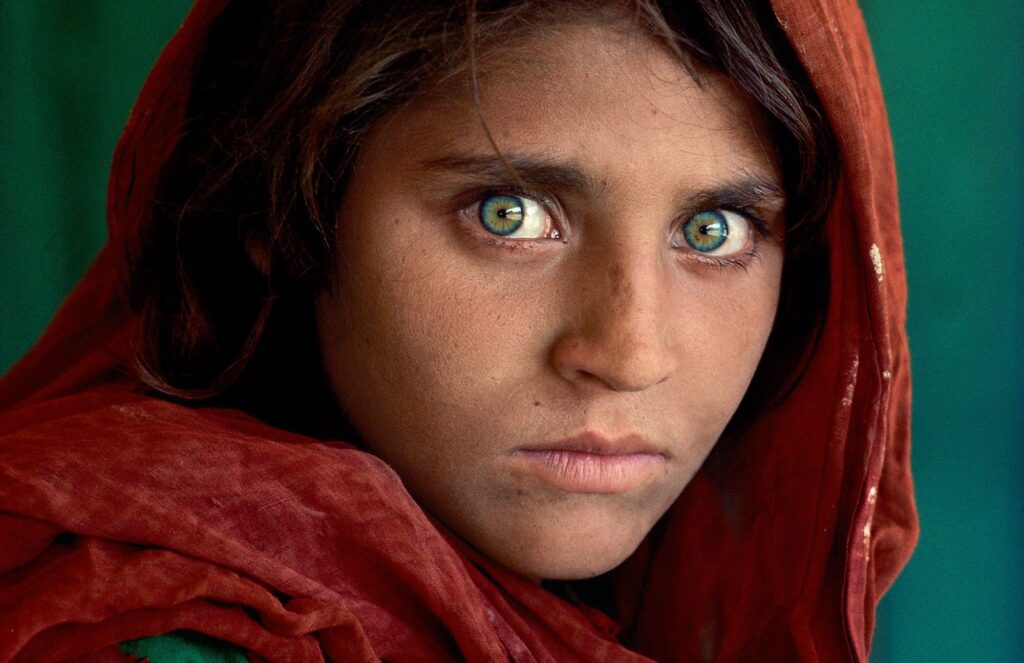
Steve McCurry is arguably one of the most recognized names in contemporary photography. His work, characterized by vibrant colors, deep shadows, and an unflinching human connection—most notably seen in the haunting gaze of the “Afghan Girl”—transcends simple documentation. For us at CameraLensReviews, analyzing McCurry’s aesthetic isn’t just about admiring the composition; it is an exercise in understanding optical transmission, focal length compression, and the relationship between subject and environment. While McCurry famously shot on Kodachrome film for decades, his transition to digital has proven that his “look” is heavily reliant on specific lens choices that favor versatility, sharpness, and a natural field of view. To emulate his documentary style, one must prioritize lenses that offer a balance of environmental context and intimate isolation.
See Price on Amazon.com:
Our Top Pick: Nikon Z 24-70mm f/2.8 SValue Pick: Sigma 35mm f/1.4 ArtHigh-End Pick: Sony FE 85mm f/1.4 GM II
The Optical Foundation of McCurry’s Work
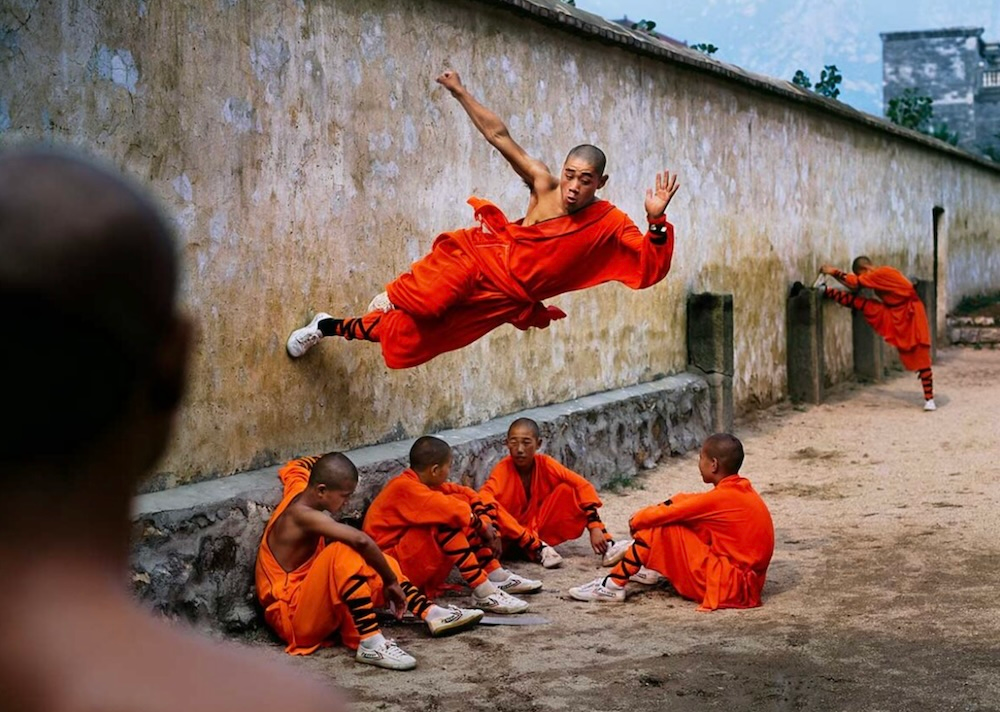
When we analyze McCurry’s portfolio, we don’t see the extreme distortion of ultra-wide angles often found in adventure photography (like the gear discussed in our Chris Burkard wide-angle lens guide), nor do we see the extreme telephoto compression typical of wildlife shooters like Paul Nicklen. Instead, McCurry operates in the “human range”—focal lengths that replicate the natural field of view of the human eye, roughly between 35mm and 85mm.
This range is critical because it creates intimacy without artifice. To replicate this, you need lenses with exceptional micro-contrast to render the textures of skin and fabric, and a fast aperture to separate the subject from the chaotic streets of India or Afghanistan.
1. The Storyteller’s Standard: 24-70mm f/2.8

For the majority of his career, especially in the modern era, McCurry has relied heavily on the versatility of the 24-70mm zoom. This lens allows for rapid composition changes—going from a wide environmental shot to a tight portrait in seconds—which is vital in documentary work where the moment is fleeting.
We tested the Nikon Z 24-70mm f/2.8 S extensively and found it to be the spiritual successor to the glass McCurry used on his DSLRs. It offers biting sharpness across the frame, even at f/2.8, and renders colors with a punchy neutrality that serves as a perfect base for the saturated “McCurry look.”
2. The Environmental Prime: 35mm f/1.4

While zooms offer versatility, a 35mm prime forces you to physically engage with the scene. This focal length is the darling of street photographers—similar to the setup we recommend in our Eric Kim street photography guide—because it includes enough background to tell a story about where the subject lives and works.
Our lab tests of the Sigma 35mm f/1.4 DG DN Art reveal it to be a master of contrast. It resolves high-frequency detail (like the threads of a scarf or the weathering on a wall) with incredible fidelity. For Sony or L-mount users, this lens provides that slight vignetting and depth that draws the viewer’s eye to the center, a common trait in McCurry’s compositions.

3. The “Afghan Girl” Telephoto: 85mm f/1.4
The intensity of McCurry’s most famous portraits comes from the eyes. Achieving this level of focus and background separation requires a short telephoto lens. An 85mm lens flattens the facial features slightly, which is flattering, and completely obliterates the background at wide apertures, ensuring nothing distracts from the subject’s gaze.

We recommend the Sony FE 85mm f/1.4 GM II for its bokeh rendering. In our field tests, the transition from the sharp focal plane to the out-of-focus background was buttery smooth, mimicking the organic feel of medium format film. While McCurry is a Nikon shooter, this optical formula represents the pinnacle of what modern mirrorless tech can achieve for this style of portraiture. If you are a Nikon shooter, the Z 85mm f/1.8 S is also a stellar, albeit slightly slower, alternative.
Color Rendering and Micro-Contrast
Recreating the McCurry style isn’t just about focal length; it’s about how the lens handles light. McCurry’s images are famous for their rich, deep colors. Modern lenses with advanced coatings (like Nikon’s ARNEO or Sony’s Nano AR) maintain high contrast even in harsh lighting, preventing flare from washing out those critical colors. If you are looking for a more desaturated, moody cinematic look, you might prefer the lenses discussed in our Peter McKinnon cinematic lens guide, but for McCurry, you want optical perfection that retains saturation.
Conclusion
To shoot like Steve McCurry is to observe the world with patience and empathy. However, equipping yourself with the right glass removes the technical barriers between you and that decisive moment. A robust 24-70mm f/2.8 is your best all-around tool for travel documentary work, while a fast 35mm or 85mm prime will help you capture the soul of your subject. Whether you shoot Canon, Fujifilm, or any other system, prioritize lenses that deliver high micro-contrast and reliable weather sealing to handle the dust and chaos of the real world.
Frequently Asked Questions
What focal length does Steve McCurry use most?
Steve McCurry is most famous for using the 24-70mm standard zoom range for its versatility in travel and documentary situations, allowing him to switch between environmental shots and portraits instantly.
Did Steve McCurry use prime or zoom lenses for the Afghan Girl?
For the iconic ‘Afghan Girl’ portrait, McCurry used a Nikkor 105mm f/2.5 AI-S lens on a Nikon FM2 body, which provided the compression and background isolation necessary to focus on her eyes.
How important is lens aperture for the McCurry style?
A fast aperture (f/2.8 or wider) is critical. It allows for shooting in low-light travel scenarios and creates a shallow depth of field that separates the subject from chaotic backgrounds, a hallmark of his style.
Can I recreate Steve McCurry’s style with a 50mm lens?
Absolutely. A 50mm lens is a classic documentary focal length. It provides a natural field of view similar to the human eye and is excellent for street photography and half-body portraits.
What camera brand does Steve McCurry use?
Steve McCurry has been a long-time Nikon user, shooting with cameras like the Nikon FM2 in his film days and the Nikon D850 and Z series in the digital era.